Crochet Fabric Font for Editorial Design
There’s something about the moment you open a new design project that feels like standing at the edge of a blank canvas. Recently, I found myself redesigning the header for a lifestyle blog, and as I scrolled through font options, Crochet Fabric caught my eye. It wasn’t just another decorative typeface—it had a rhythm, a softness, and a playful energy that felt just right for the kind of content this blog was meant to deliver.
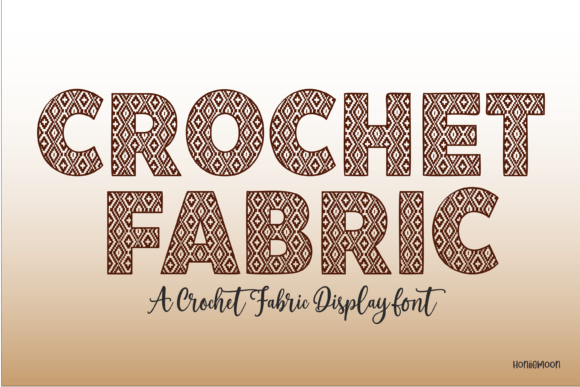
Crochet Fabric is a display font with a whimsical charm, its curves and loops evoking the gentle art of crocheting. The visual character of this font is both bold and delicate, making it an ideal choice for editorial projects that want to convey warmth and creativity without sacrificing style. Its personality is jolly, inviting, and full of life—qualities that can elevate any publication or digital layout that needs a touch of fun and approachability.
A Lifestyle Blog Redesign with Crochet Fabric
I decided to test Crochet Fabric on a real-life editorial project: a lifestyle blog focused on mindfulness and creative hobbies. The blog’s previous header was clean but lacked the personality I wanted to introduce. After applying Crochet Fabric to the main title, the effect was immediate. The font added a sense of playfulness that matched the blog’s tone perfectly. It became a subtle yet powerful branding element, reinforcing the idea that this space was for people who loved to create, relax, and explore.
The font’s rhythm made it especially effective for section headings and pull quotes. When used in moderation, it helped guide the reader’s eye through the content without overwhelming them. For instance, using Crochet Fabric for a feature titled “The Art of Slow Living” created a warm and inviting focal point that drew readers in.
Editorial Uses and Readability Considerations
While Crochet Fabric excels in decorative and display roles, it’s important to consider its suitability for different types of content. As a display font, it works beautifully for titles, subtitles, magazine covers, ebook titles, and chapter openers. However, it may not be the best fit for body copy or dense paragraphs where readability is paramount. In such cases, pairing Crochet Fabric with a clean serif or sans serif font ensures a balance between style and function.
For example, when designing a recipe ebook, I paired Crochet Fabric with a modern sans serif font for the body text. This combination gave the cookbook a charming yet professional look. The decorative font was reserved for chapter titles and ingredient lists, which allowed it to shine without disrupting the flow of reading.
When considering screen reading and mobile layouts, it’s crucial to ensure that the font size and spacing are optimized. Crochet Fabric performs well in PDF exports and print materials, though designers should always test it across different formats before finalizing a project.
Branding and Content Structure
One of the most compelling aspects of Crochet Fabric is its ability to support a strong brand identity. Whether it’s a wedding guide, a printable planner, or a coaching workbook, the font adds a consistent mood and visual appeal that aligns with the content’s purpose. Its use in content branding helps create a memorable experience for readers, making it easier to recognize and connect with the publication over time.
In a recent digital magazine layout, I used Crochet Fabric for the cover title and section headers. The result was a cohesive design that felt both modern and personal. It worked particularly well in a section dedicated to handmade crafts, where the font’s playful nature resonated with the theme.
For newsletter headers and promotional graphics, Crochet Fabric also proved to be a great asset. It brought a sense of joy and creativity to the design, encouraging engagement from the audience. When used sparingly, it didn’t distract from the message but instead enhanced it.
Designers should also take into account the font’s available styles, alternates, ligatures, weights, and multilingual support. These features can greatly influence how versatile the font is in different editorial contexts. Additionally, ensuring proper commercial font licensing is essential when using Crochet Fabric in paid publications, templates, or digital downloads.
Ultimately, Crochet Fabric is more than just a decorative font—it’s a tool that can shape the mood, identity, and structure of a publication. Whether you’re working on a blog, magazine, ebook, or digital product, it offers a unique way to bring your content to life with charm and character.