Giving Cookies Font for Editorial Design
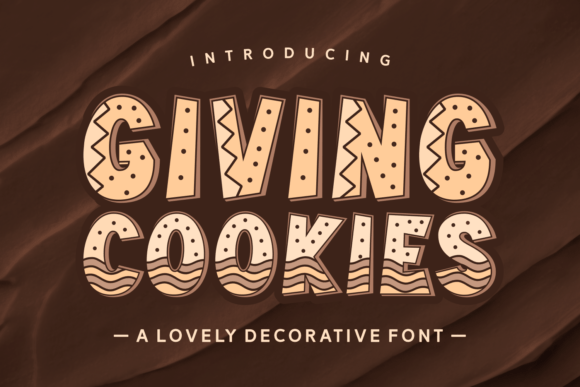
There’s something about the right font that can transform a simple layout into a memorable visual experience. Recently, while working on a lifestyle blog redesign, I found myself drawn to Giving Cookies, a decorative typeface that brings warmth and charm to any editorial project. Its sweet curves and lovely details make it a standout choice for content layouts that demand both personality and readability.
Giving Cookies is more than just a font—it’s a mood. With its soft, rounded edges and playful rhythm, it feels like a handwritten note from a friend, perfect for creating an inviting atmosphere in editorial design. It carries a sense of joy and nostalgia, making it especially well-suited for projects centered around food, celebration, or personal storytelling.
A Versatile Display Font for Blog Headers and Magazine Covers
I tested Giving Cookies on a blog header for a lifestyle publication focused on baking and home décor. The font immediately added a sense of whimsy without overwhelming the reader. It worked beautifully as a primary title, drawing attention with its unique character while maintaining enough clarity to be legible at various sizes.
For magazine covers, this font could be used to highlight special features or seasonal themes. Imagine a holiday edition of a food magazine using Giving Cookies to announce “Bake Your Way Through Winter.” The font’s charm would complement the festive tone and encourage readers to engage with the content.
Enhancing Readability in Editorial Layouts
While Giving Cookies is a decorative font, it still holds up well in terms of readability when used appropriately. In my testing, it performed best as a display font—ideal for headlines, pull quotes, and section openers. However, it was not suitable for dense paragraphs or small captions, where its expressive style might interfere with comprehension.
When designing a recipe ebook, I paired Giving Cookies with a clean sans serif font for body text. This combination created a nice contrast, allowing the decorative font to stand out while ensuring the instructions remained easy to follow. It also helped establish a consistent brand identity across the publication.
Practical Uses for Giving Cookies in Content Creation
Here are some real-world scenarios where Giving Cookies shines:
- Blog headers: Perfect for lifestyle blogs, food publications, or creative portfolios that want to add a touch of personality.
- Newsletter graphics: Use it to highlight key messages or event titles in a newsletter, adding visual interest without sacrificing clarity.
- Chapter openers in workbooks: A coaching workbook or printable planner could use this font to introduce new sections with a friendly and approachable feel.
- Pull quotes in digital magazines: Emphasize impactful statements with a decorative yet readable typeface that draws the reader in.
- Event invitations or packaging design: Ideal for bakery branding, candy shops, or any product that wants to evoke a sense of sweetness and care.
Before finalizing your design, ensure you check the font’s included styles, ligatures, and multilingual support. Also, verify that the font comes with commercial licensing if you plan to use it in paid products, client work, or digital downloads.
Font Pairing and Readability Considerations
To maintain balance in editorial layouts, consider pairing Giving Cookies with a complementary font. For example, a modern serif font like Playfair Display could provide a polished contrast, while a clean sans serif like Helvetica Neue would offer a more contemporary feel.
Keep in mind that screen readability is crucial, especially for mobile users. Test the font on different devices and ensure that it remains legible in both print and digital formats. Avoid using it for long-form content or in areas where small text might become difficult to read.
Giving Cookies is a delightful addition to any designer’s toolkit. Whether you're crafting a wedding guide, a digital magazine, or a course PDF, this font brings a sense of warmth and creativity to your work. Used thoughtfully, it can elevate your editorial designs and leave a lasting impression on your audience.